Lupus: What You Need to Know
Lupus is an autoimmune condition in which the body’s immune system mistakenly attacks healthy cells and tissues.
It can cause pain, inflammation, and complications across multiple organs and systems. These effects can range from mild to life-threatening.
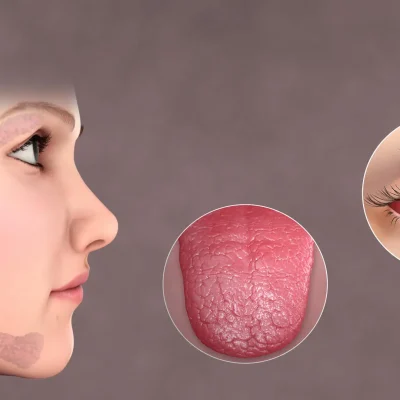
Systemic lupus erythematosus (SLE) is the most common form and can affect virtually any part of the body, including the skin, major organs, hair, muscles, joints, and digestive system.
Who Does Lupus Affect?
Most people with lupus are diagnosed between the ages of 15 and 44.
According to the Lupus Foundation of America, lupus is most prevalent among women of childbearing age and is two to three times more common among women of color.
Symptoms of Lupus
Lupus symptoms can be subtle at first and may worsen over time. Common signs to watch for include:
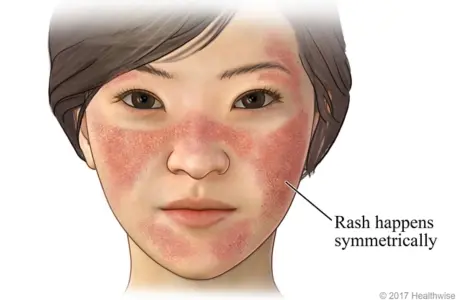
- A butterfly-shaped rash across the cheeks and nose
- Chronic fatigue
- Unexplained fever
- Joint pain and persistent muscle aches
- Hair loss (alopecia)
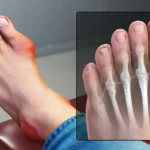
- Swelling in the hands and feet
- Chest pain when taking deep breaths
Types of Lupus
There are several forms of lupus, including:
- Systemic lupus erythematosus (SLE) – affects the whole body
- Cutaneous lupus – primarily affects the skin
- Neonatal lupus – a rare condition affecting newborns
Diagnosis
There is no single test that can diagnose lupus.
A rheumatologist typically evaluates a combination of symptoms, medical history, and laboratory tests to identify signs of systemic inflammation and immune system activity.
Treatment
Managing lupus requires a personalized treatment plan developed with a healthcare professional.
Treatment options may include:
- Medications to control inflammation and immune response
- Lifestyle adjustments
- In some cases, complementary therapies such as acupuncture
Managing the Condition
Living with lupus can be challenging. Chronic pain and fatigue can be debilitating, often affecting daily activities and productivity.
In some cases, access to treatment may also be a challenge.
However, with the right care and support, many people are able to manage symptoms effectively and maintain a good quality of life.
Summary
If left untreated, lupus can lead to serious complications over time. Early diagnosis and proper management are key.
Despite its challenges, many people with lupus go on to live full and meaningful lives. Women with lupus can also have successful pregnancies with proper medical care.
A knowledgeable and supportive rheumatologist is essential in managing the condition—choose one who listens, understands, and works closely with you on your treatment journey.