What Is Sjögren’s Syndrome?
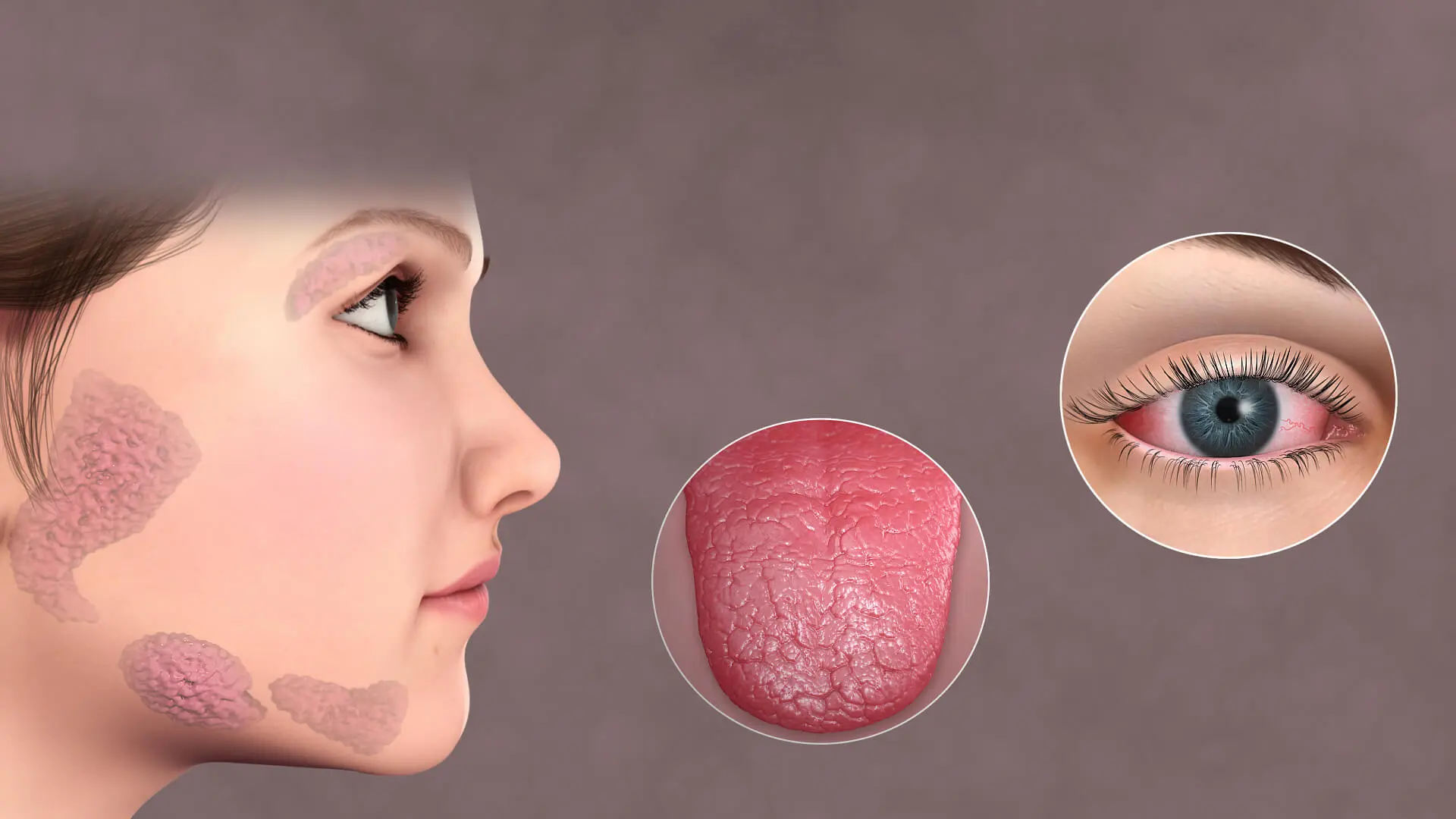
Sjögren’s (pronounced SHOW-grins) syndrome is a chronic autoimmune disorder in which the immune system attacks the body’s moisture-producing glands.
It is most commonly identified by two hallmark symptoms:
- Dry eyes
- Dry mouth
Sjögren’s syndrome often occurs alongside other autoimmune diseases such as Rheumatoid Arthritis and Lupus.
The condition primarily affects the mucous membranes and glands responsible for producing tears and saliva, leading to reduced moisture levels in the eyes and mouth.
Although it can develop at any age, it is most frequently diagnosed in individuals over 40 and is significantly more common in women.
Sjögren’s Syndrome Symptoms
Recognizing Sjögren’s syndrome symptoms early can help prevent complications.
Main Symptoms
- Dry eyes (burning, itching, or gritty sensation)
- Dry mouth (difficulty swallowing or speaking, cotton-like feeling)
Additional Symptoms
- Joint pain, swelling, and stiffness
- Swollen salivary glands (near the jaw and ears)
- Dry skin or skin rashes
- Vaginal dryness
- Persistent dry cough
- Prolonged fatigue
What Causes Sjögren’s Syndrome?
Sjögren’s syndrome is an autoimmune condition, meaning the immune system mistakenly attacks healthy tissues.
While the exact cause remains unknown, several contributing factors include:
- Genetic predisposition
- Viral or bacterial infections (possible triggers)
- Immune system dysfunction
The immune system primarily targets glands that produce tears and saliva but may also affect other organs such as:
- Joints
- Thyroid
- Kidneys
- Liver
- Lungs
- Skin
- Nerves
Risk Factors for Sjögren’s Syndrome
Certain factors increase the likelihood of developing the condition:
- Age (most common after 40)
- Gender (more prevalent in women)
- Existing autoimmune or rheumatic diseases
Sjögren’s Syndrome Diagnosis
Diagnosis often involves a combination of symptom evaluation and medical testing.
A specialist (rheumatologist) may ask questions such as:
- Do your symptoms worsen throughout the day or outdoors?
- Do you have existing conditions like arthritis or high blood pressure?
- Have you recently started new medications?
- Do autoimmune diseases run in your family?
Additional tests may include:
- Eye tests to measure tear production
- Saliva flow tests
- Blood tests for autoimmune markers
Sjögren’s Syndrome Complications
If not managed properly, Sjögren’s syndrome can lead to several complications:
Oral Health Issues
- Increased risk of dental cavities
- Oral thrush (yeast infections)
Eye Complications
- Light sensitivity
- Blurred vision
- Corneal damage
Systemic Complications
- Lung, kidney, or nerve involvement
- Chronic fatigue impacting daily life
Sjögren’s Syndrome Treatment Options
There is no cure for Sjögren’s syndrome, but treatment focuses on relieving symptoms and preventing complications.
1. Artificial Tears & Hydration
- Over-the-counter eye drops for dry eyes
- Frequent water intake for dry mouth
2. Prescription Medications
- Drugs to stimulate saliva production
- Anti-inflammatory medications for systemic symptoms
3. Surgical Option (Punctual Occlusion)
A minor procedure that blocks tear ducts to retain moisture in the eyes. Silicone or collagen plugs are inserted to help preserve natural tears.
Living With Sjögren’s Syndrome
Managing Sjögren’s syndrome requires a proactive approach:
- Stay hydrated throughout the day
- Maintain good oral hygiene
- Use lubricating eye drops regularly
- Work closely with a rheumatologist
- Monitor for symptoms affecting other organs
Summary
Sjögren’s syndrome is a chronic autoimmune disease that primarily causes dry eyes and dry mouth but can also affect multiple organs.
Early diagnosis and proper management can significantly improve quality of life and reduce complications.
⚠️ Medical Disclaimer
This content is for informational purposes only and should not be considered medical advice. Always consult a qualified healthcare provider or rheumatologist for diagnosis and treatment tailored to your condition.