What Is Psoriatic Arthritis?
Psoriatic arthritis (PsA) is a chronic inflammatory autoimmune disease that affects both the skin and joints.
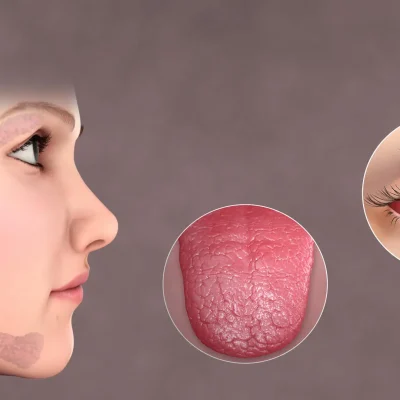
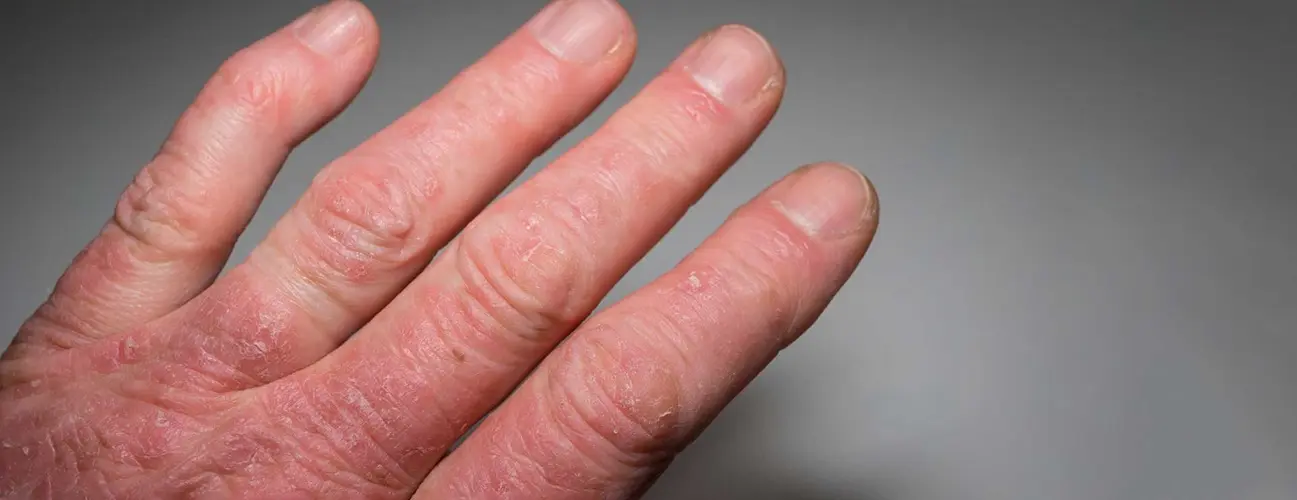
It is closely linked to Psoriasis, a skin condition that causes red, scaly patches—commonly on the elbows, knees, scalp, and hands.
In PsA, the immune system mistakenly attacks healthy tissues, leading to joint pain, swelling, and stiffness. If left untreated, the inflammation can cause long-term joint damage and reduced mobility.
Psoriatic Arthritis Symptoms
Recognizing psoriatic arthritis symptoms early is key to preventing complications.
Common Symptoms:
- Morning stiffness and fatigue
- Swollen fingers and toes (dactylitis)
- Joint pain and stiffness
- Scaly skin patches (especially on elbows, knees, and scalp)
- Pain and swelling around tendons (enthesitis)
- Foot pain (especially in the heel)
- Eye redness and pain
- Lower back pain
- Reduced range of motion
- Nail changes (pitting, discoloration)
PsA may sometimes resemble Rheumatoid Arthritis, but unlike RA, it does not always affect joints symmetrically.
Types of Psoriatic Arthritis
Psoriatic arthritis varies in severity and presentation.
Oligoarticular PsA
- A milder form
- Affects four or fewer joints
Polyarticular PsA
- More severe
- Affects four or more joints
- Can resemble rheumatoid arthritis
What Causes Psoriatic Arthritis?
The exact cause is unknown, but several factors contribute:
- Immune system dysfunction
- Genetic predisposition (family history)
- Infections (e.g., strep throat triggering psoriasis)
- Environmental triggers
Psoriatic Arthritis Risk Factors
- Having psoriasis (about 30% develop PsA)
- Age (commonly between 30–50, but can occur at any age)
- Family history of autoimmune or joint diseases
- Equal prevalence in men and women
How Is Psoriatic Arthritis Diagnosed?
There is no single test for PsA. Diagnosis typically involves:
- Imaging tests (X-rays, MRI scans)
- Blood tests to detect inflammation
- Joint fluid analysis
- Skin examination or biopsy
A rheumatologist will evaluate symptoms and rule out other forms of arthritis.
Psoriatic Arthritis Treatment Options
While there is no cure, psoriatic arthritis treatment focuses on controlling inflammation, relieving symptoms, and preventing joint damage.
Medications
- NSAIDs (e.g., ibuprofen) for pain relief
- DMARDs to slow disease progression
- Biologics to target inflammation-causing proteins
- Enzyme inhibitors to reduce inflammatory processes
- Steroids (used cautiously due to side effects)
Surgical Treatment
In severe cases, joint replacement surgery may be considered.
Lifestyle Changes for Psoriatic Arthritis
Lifestyle adjustments play a major role in managing PsA:
- Engage in low-impact exercises (walking, swimming)
- Maintain a healthy weight
- Avoid smoking
- Limit alcohol intake
- Consider supportive therapies like massage or acupuncture
Psoriatic Arthritis Flare Triggers
Understanding triggers can help reduce flare-ups:
- Stress
- Infections
- Weight gain
- Skin injuries (cuts, scrapes, sunburn)
Psoriatic Arthritis Complications
If not properly managed, PsA can lead to:
- Chronic fatigue
- Depression and anxiety
- Fibromyalgia
- Gout
- Permanent joint damage
Outlook: Living With Psoriatic Arthritis
There is currently no cure for psoriatic arthritis, but with early diagnosis and proper treatment, many people achieve remission or significant symptom control.
Working closely with a rheumatologist ensures a personalized treatment plan and better long-term outcomes.
Summary
Psoriatic arthritis is an autoimmune condition that affects both the skin and joints, often developing in people with psoriasis.
Early intervention, proper treatment, and lifestyle changes can help manage symptoms, prevent complications, and improve quality of life.
⚠️ Medical Disclaimer
This content is for informational purposes only and does not substitute professional medical advice. Always consult a qualified healthcare provider or rheumatologist for proper diagnosis and treatment.