
What Is Ankylosing Spondylitis?
Ankylosing spondylitis (AS) is a chronic inflammatory form of arthritis that primarily affects the spine.
It causes pain, stiffness, and inflammation in the back and pelvis, and in severe cases, it can lead to reduced spinal mobility over time.
People living with AS often experience periods of worsening symptoms known as flare-ups.
Symptoms of Ankylosing Spondylitis Flares
AS symptoms vary from person to person and often come and go in cycles.
During flare-ups, common symptoms include:
- Lower back, hip, and pelvic pain
- Stiffness in the spine (especially in the morning)
- Rib cage, shoulder, knee, or joint pain
- Inflammation of tendons (enthesitis)
- Fatigue and low energy
- Fever during severe flares
- Anxiety or depression
Other possible symptoms:
- Loss of appetite
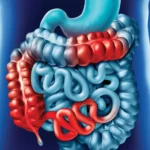
- Digestive issues such as abdominal pain or loose stools
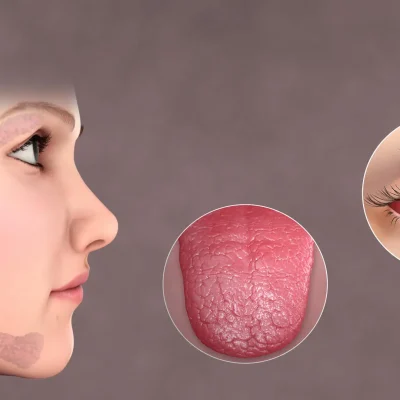
- Skin rashes in some cases
What Causes Ankylosing Spondylitis?
The exact cause of AS is not fully understood.
However, research suggests a strong link to genetics—especially the HLA-B27 gene, which increases the risk of developing the condition.
However, not everyone with the gene develops AS, and other environmental factors may also play a role.
What Triggers AS Flares?
The cause of flare-ups is not always clear, but several triggers may contribute:
- Physical stress or injury
- Illness or infections
- Poor sleep or fatigue
- High stress levels
- Lack of physical activity
Even with careful management, flare-ups may still occur unpredictably.
How Ankylosing Spondylitis Is Treated
Treatment focuses on reducing inflammation, managing pain, and improving mobility.
A rheumatologist typically designs a personalised treatment plan.
Medications
1. NSAIDs (First-Line Treatment)
Non-steroidal anti-inflammatory drugs such as:
- Ibuprofen
- Naproxen
These help reduce pain and inflammation and are often the first treatment option.
2. Biologic Medications
If NSAIDs are not effective, doctors may prescribe biologics that target the immune system to reduce inflammation more directly.
Lifestyle & Physical Therapy
- Regular gentle exercise to maintain flexibility
- Stretching routines to reduce stiffness
- Physical therapy programs
- Posture correction exercises
Supportive Therapies
- Massage therapy (when medically appropriate)
- Heat therapy for stiffness
- Stress management techniques
Living With Ankylosing Spondylitis
AS is a long-term condition, but symptoms can be managed effectively with proper care.
Most patients benefit from:
- Early diagnosis
- Consistent medication use
- Active lifestyle habits
- Regular rheumatology follow-ups
Can AS Flares Be Prevented?
While flare-ups cannot always be prevented, their severity and frequency may be reduced by:
- Staying physically active
- Following prescribed treatment plans
- Avoiding known triggers
- Managing stress levels
- Prioritizing sleep and recovery
Important Medical Note
AS is a lifelong condition, and without proper treatment, it can lead to worsening stiffness and reduced spinal mobility.
Early intervention is key to maintaining quality of life.
Final Summary
Ankylosing spondylitis is a chronic inflammatory condition that primarily affects the spine and joints.
Although flare-ups are common, they can be managed effectively through:
- Medication
- Exercise
- Lifestyle adjustments
- Ongoing medical care
With the right treatment plan, many patients live active and productive lives.
📍 Seek Specialist Care
If you are experiencing persistent back pain, stiffness, or symptoms of AS, consult a rheumatology specialist for proper diagnosis and treatment.
Piedmont Eastside Rheumatology
📞 Contact a qualified rheumatologist today to develop a personalized treatment plan.
⚠️ Medical Disclaimer
This article is for informational purposes only and does not replace professional medical advice. Always consult a qualified healthcare provider for diagnosis and treatment.