Crohn’s Disease: Causes, Treatment, and Management
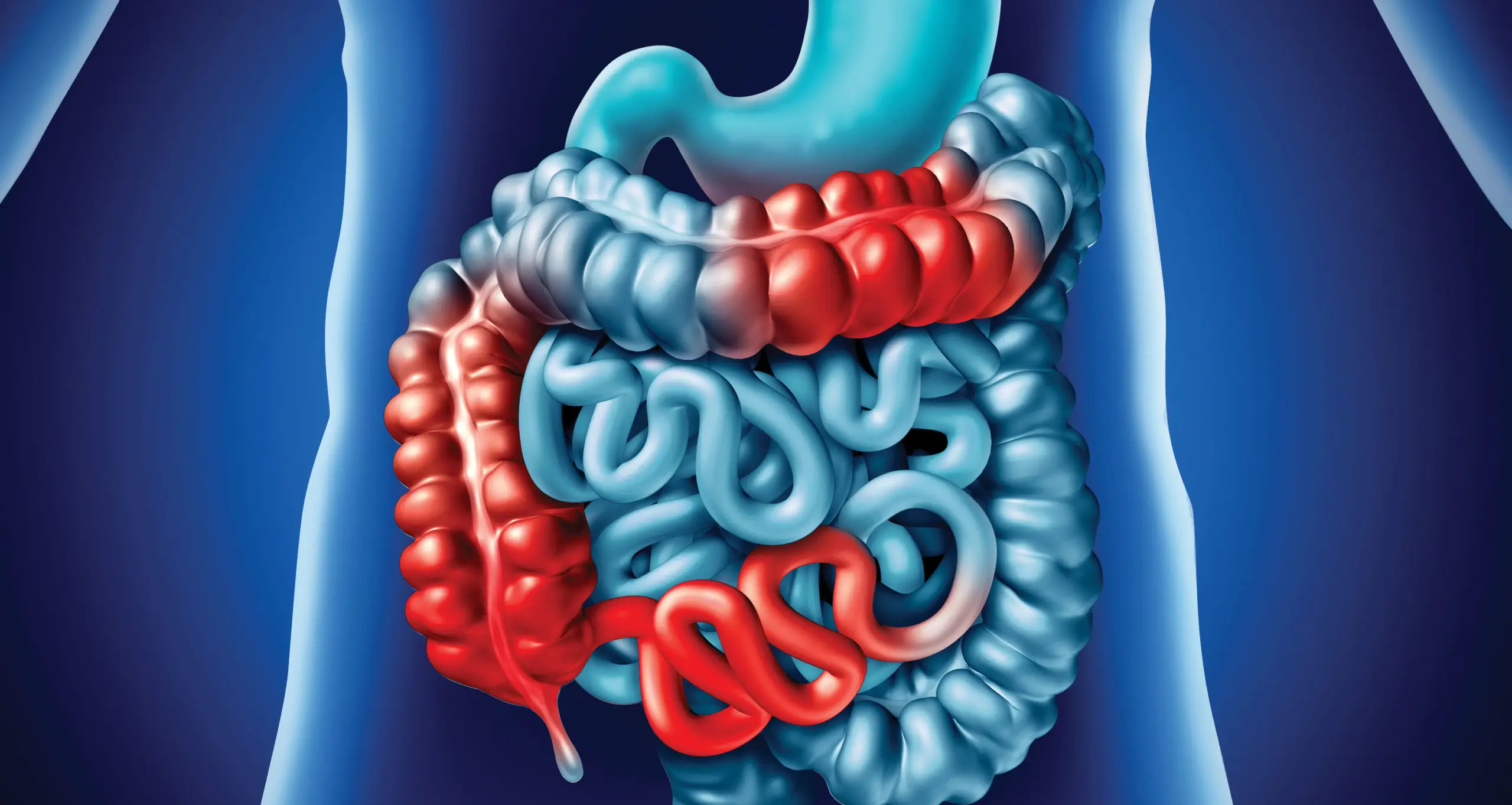
Crohn’s disease causes inflammation in parts of the digestive system. It can affect any area of the gastrointestinal tract, but it most commonly involves the small intestine and colon.
Diagnosis and Causes
Crohn’s disease is usually diagnosed only after other possible causes of symptoms have been ruled out. There is no single test that can confirm the condition.
Instead, doctors use a combination of tests to support a diagnosis.
Treatment
The goals of Crohn’s disease treatment are to:
- Reduce inflammation that causes symptoms
- Improve long-term outcomes
- Prevent complications
- Achieve and maintain remission when possible
Anti-inflammatory Medications
Anti-inflammatory drugs are often the first step in treatment for inflammatory bowel disease (IBD).
These may include:
- Corticosteroids
These medications help reduce inflammation and control flare-ups.
Surgery
If diet changes, medications, or other treatments do not relieve symptoms, surgery may be recommended.
Nearly half of people with Crohn’s disease will require at least one surgery in their lifetime. However, surgery does not cure the disease.
During surgery:
- The damaged section of the digestive tract is removed
- Healthy sections are reconnected
- Fistulas may be closed
- Abscesses may be drained
While surgery can provide relief, the benefits are often temporary, as Crohn’s disease may recur—frequently near the reconnected tissue.
For best results, surgery is usually followed by medication to reduce the risk of recurrence.
Diet and Lifestyle
There is no clear evidence that diet causes inflammatory bowel disease. However, certain foods and drinks may worsen symptoms, especially during flare-ups.
General dietary recommendations include:
- Limiting dairy products if they worsen symptoms
- Eating smaller, more frequent meals
- Drinking plenty of fluids
- Considering multivitamin supplements (under medical guidance)
- Consulting a registered dietitian for personalized advice
Preparing for Your Doctor’s Visit
Because consultation time is often limited, it helps to prepare a list of questions in advance.
You may consider asking:
- What could be causing my symptoms?
- What tests will I need, and how should I prepare?
- Is this condition temporary or long-term?
- What treatment options are available, and which do you recommend?
- If I have Crohn’s disease, what is the risk of my child developing it?
- What follow-up tests will I need in the future?
Summary
Crohn’s disease is a long-term condition that requires ongoing management. Treatment is not a quick fix but a continuous process aimed at controlling symptoms and preventing complications.
For best outcomes, it is important to work closely with a qualified specialist and follow a consistent treatment plan.