
Rheumatoid Arthritis: Understanding Symptoms, Causes, and Treatment
Rheumatoid arthritis (RA) is an autoimmune disease that causes joint pain, inflammation, and progressive damage throughout the body.
One of the defining characteristics of RA is that it typically affects joints symmetrically. This means if a joint in one arm or leg is affected, the same joint on the opposite side is likely to be affected as well. This pattern helps doctors distinguish RA from other types of arthritis.
RA is a chronic condition marked by periods of increased symptoms—known as flares or exacerbations—and periods of remission, during which symptoms may reduce significantly or disappear altogether.
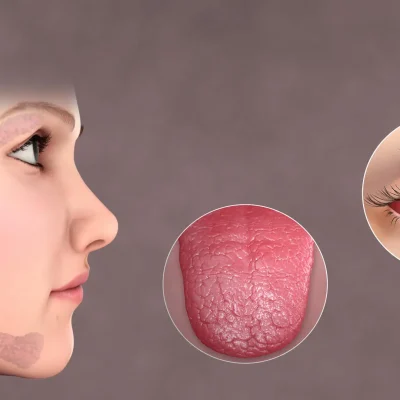
While RA commonly affects joints in the hands, wrists, and knees, it can also impact other parts of the body, including the lungs, heart, and eyes.
Rheumatoid Arthritis Symptoms
RA can be difficult to diagnose because symptoms vary from person to person and may come and go.
Common signs doctors look for include:
- Joint pain, swelling, and stiffness (especially in small joints like hands, wrists, and feet)
- Symptoms lasting more than 6 weeks
- Morning stiffness lasting at least 30 minutes
- Pain in multiple joints
- Tenderness and swelling in more than one joint
- Low-grade fever
- Symmetrical joint involvement (both sides of the body)
- Fatigue
- Loss of appetite
Causes and Risk Factors
RA is an autoimmune disorder, meaning the immune system mistakenly attacks healthy body tissues. While the exact cause is still unknown, several factors may increase the risk:
- Age
- Gender (more common in women)
- Genetics
- Smoking
- Obesity
- Diet
If left untreated, RA can lead to joint damage, loss of alignment, and eventual joint destruction.
Diagnosis of Rheumatoid Arthritis
To diagnose RA, healthcare providers may use a combination of physical examinations, blood tests, and imaging such as X-rays.
Patients are often referred to a specialist known as a rheumatologist, who may assess:
- Reflexes and muscle strength
- Joint swelling and redness
- Range of motion and joint function
- Warmth and tenderness in affected joints
These tests help determine not only the presence of RA but also the severity of joint damage.
Possible Complications
If not properly managed, RA can lead to serious complications, including:
- Joint damage and deformity
- Increased risk of heart disease
- Carpal tunnel syndrome
- Lung conditions such as pneumonia and pulmonary fibrosis
- Chest pain
Rheumatoid Arthritis Treatment
A diagnosis of RA can feel overwhelming, but effective treatments are available to manage symptoms and slow disease progression.
1. Nonsteroidal Anti-Inflammatory Drugs (NSAIDs)
These medications help reduce pain and inflammation but do not slow disease progression. Common over-the-counter options include ibuprofen and naproxen.
2. DMARDs (Disease-Modifying Anti-Rheumatic Drugs)
DMARDs work by suppressing the immune system to slow or stop the progression of RA. These are prescription medications such as methotrexate (Trexall).
3. Biologics
When traditional DMARDs are not effective, biologics may be prescribed. These target specific parts of the immune system involved in inflammation. Examples include etanercept (Enbrel) and tocilizumab.
4. Steroids
Steroids are often used during severe flares to reduce inflammation and pain. They may be prescribed short-term or, in some cases, for longer durations.
Common examples include:
- Hydrocortisone (Cortef)
- Methylprednisolone (Medrol)
- Prednisone (Deltasone)
While steroids can help control symptoms and prevent further damage, they do not reverse existing joint damage.
Rheumatoid Arthritis Diet
Diet can play a supportive role in managing RA symptoms. Recommended foods include:
- High-fiber foods such as broccoli and berries
- Antioxidant-rich foods like spinach, kidney beans, and pecans
- Omega-3 fatty acids found in salmon, tuna, and herring
Summary
Rheumatoid arthritis can cause significant pain and, if left untreated, may lead to joint deformities—especially in the hands and feet. These deformities can result in a curved, claw-like appearance of the fingers and toes.
However, early diagnosis and proper treatment can significantly reduce the risk of severe complications. Working closely with a rheumatologist to develop an effective treatment plan is key to managing RA and maintaining quality of life.
Medical Disclaimer
This content is for informational purposes only and should not be considered medical advice. Always consult a qualified healthcare professional or rheumatologist for diagnosis and treatment tailored to your condition.