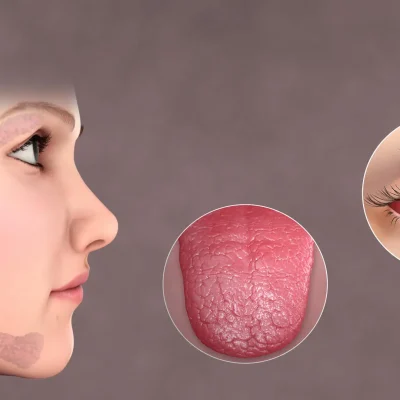
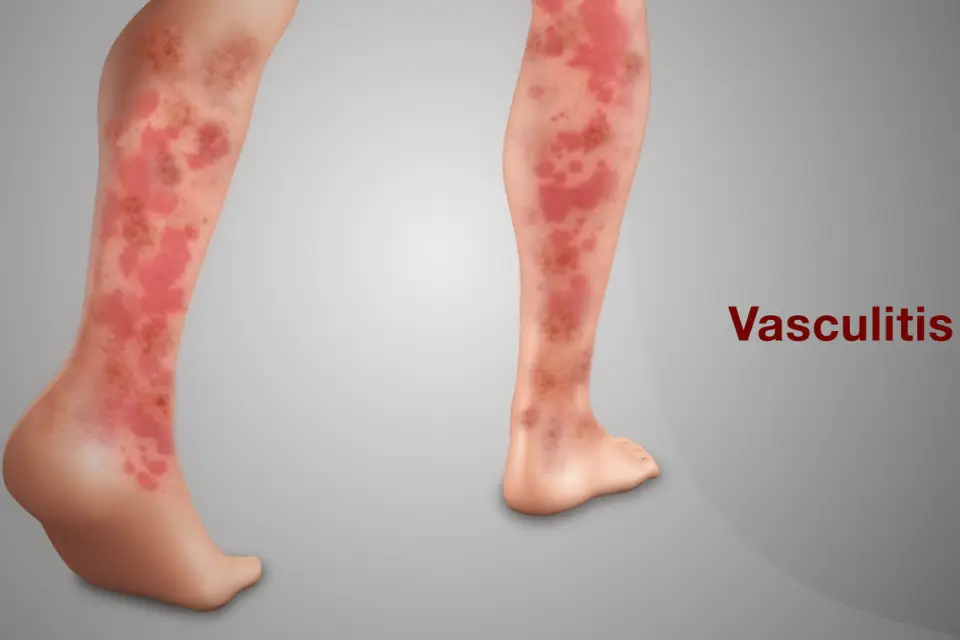
Vasculitis: What You Need to Know
Vasculitis refers to a large group of diseases that cause inflammation of the blood vessels. It is also known as angiitis.
This inflammation leads to changes in the walls of blood vessels, which may include scarring, weakening, narrowing, or thickening. These changes can occur in no particular sequence and may affect blood flow throughout the body.
What Causes Vasculitis?
Vasculitis occurs when the body’s immune system mistakenly attacks its own blood vessels. The exact cause is still not fully understood.
However, known triggers include:
- Infections
- Certain cancers
- Immune system disorders
- Allergic reactions
When blood vessels become inflamed, their walls may weaken, potentially leading to complications such as aneurysms (bulging of blood vessels).
Types of Vasculitis
There are two main categories of vasculitis:
- Primary vasculitis: Occurs without a known cause
- Secondary vasculitis: Develops as a result of another disease, such as rheumatoid arthritis or lupus
Symptoms of Vasculitis
Symptoms vary depending on which blood vessels are affected and which organs are involved.
Common signs include:
- Fever
- Fatigue
- Weight loss and loss of appetite
- Joint pain
- Muscle pain
- Numbness or weakness
Complications
The severity of vasculitis depends on the type and extent of blood vessel involvement.
A major complication is organ damage, caused by reduced oxygen and nutrient supply due to restricted blood flow.
Although treatment can be effective, relapses may occur. In some cases, long-term management is required.
Diagnosis
Accurate diagnosis typically involves several tests, including:
- Blood tests
- Urine tests
- Tissue biopsy
These help confirm inflammation and rule out other conditions.
Treatment
Treatment usually focuses on reducing inflammation and controlling the immune response.
Common medications include:
- Corticosteroids (used to reduce inflammation)
- Drugs such as prednisone or methylprednisolone (Medrol)
While effective, long-term use of steroids may lead to significant side effects, so careful medical supervision is essential.
Summary
Vasculitis has many potential causes, including infectious and immune-related conditions. Because it can affect multiple organs and systems, early diagnosis and treatment are critical.
If you experience persistent symptoms, it is important to seek professional care from a rheumatologist as soon as possible.