What Is Polymyositis?
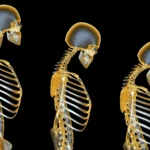
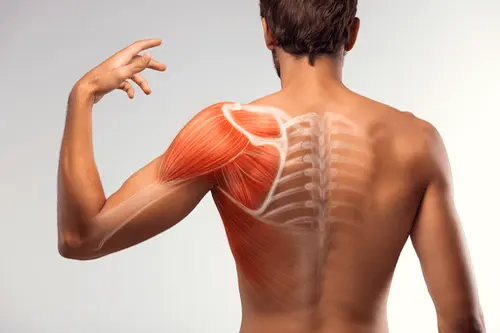
Polymyositis is a rare inflammatory muscle disease that causes progressive muscle weakness, particularly in muscles closest to the center of the body (such as the hips, thighs, shoulders, and upper arms).
It is considered an autoimmune condition, meaning the immune system mistakenly attacks healthy muscle tissue, leading to inflammation and muscle damage.
The disease typically develops gradually over time and rarely affects individuals under the age of 18. It is more common in women than men, with a ratio of approximately 2:1.
Polymyositis Symptoms
Recognizing polymyositis symptoms early is key to managing the disease effectively.
Common Symptoms:
- Muscle weakness (especially near the trunk of the body)
- Difficulty rising from a seated position
- Trouble climbing stairs or lifting objects
- Difficulty getting up after lying down
- Difficulty swallowing (dysphagia)
- Muscle aches and tenderness
- Fatigue and low-grade fever
- Shortness of breath (due to lung or heart involvement)
- Weight loss
Some individuals may also experience:
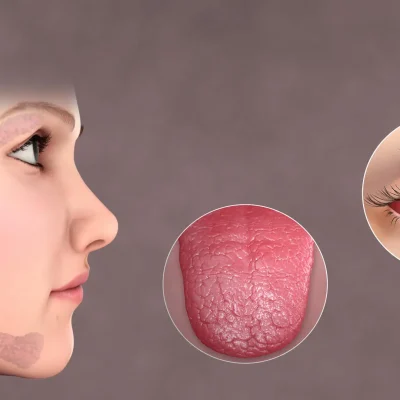
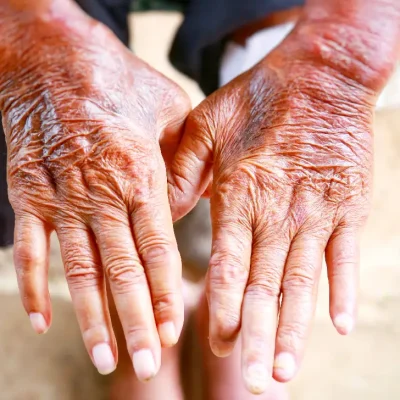
- Skin changes such as a reddish or violet rash around the eyes
- Raynaud’s Phenomenon (cold, discolored fingers or toes due to reduced blood flow)
What Causes Polymyositis?
The exact cause of polymyositis is unknown, but it is strongly linked to immune system dysfunction.
Possible contributing factors include:
- Autoimmune response targeting muscle tissue
- Genetic predisposition
- Environmental triggers
Polymyositis may also be associated with other autoimmune diseases.
How Is Polymyositis Diagnosed?
Diagnosing polymyositis involves a combination of clinical evaluation and specialized tests.
Common Diagnostic Methods:
- Blood tests: Elevated muscle enzymes indicate muscle damage
- Urine tests: Check for organ involvement
- Muscle biopsy: Confirms inflammation in muscle tissue
- Electromyography (EMG): Detects abnormal muscle electrical activity
Early diagnosis is essential to prevent complications and improve outcomes.
Polymyositis Treatment Options
While there is no cure, polymyositis treatment focuses on reducing inflammation, improving muscle strength, and preventing complications.
1. Corticosteroids
High-dose corticosteroids are usually the first line of treatment to reduce muscle inflammation.
2. Immunoglobulin Therapy (IVIG)
Intravenous immunoglobulin (IVIG) may be used in severe cases to improve muscle strength and immune function.
3. Physical Therapy
A structured rehabilitation program helps restore muscle strength, mobility, and function.
Complications of Polymyositis
If not properly managed, polymyositis can lead to serious complications:
- Difficulty swallowing (leading to malnutrition and weight loss)
- Aspiration pneumonia (due to food or liquid entering the lungs)
- Breathing problems (if chest muscles are affected)
- Risk of respiratory failure in severe cases
Outlook: Living With Polymyositis
The prognosis for polymyositis varies depending on severity and response to treatment.
- Many patients respond well to early treatment
- Muscle strength can improve significantly with therapy
- Some degree of weakness may persist
- Symptoms may recur (flare-ups) over time
Although polymyositis is rarely life-threatening, untreated cases can lead to long-term disability.
Summary
Polymyositis is a rare autoimmune muscle disease that causes progressive weakness and inflammation. Early diagnosis and treatment are essential to manage symptoms, prevent complications, and improve quality of life.
Working closely with a rheumatologist ensures a tailored treatment plan and better long-term outcomes.
⚠️ Medical Disclaimer
This content is for informational purposes only and does not substitute professional medical advice. Always consult a qualified healthcare provider or rheumatologist for proper diagnosis and treatment.