Osteoarthritis (OA): What You Need to Know
Osteoarthritis (OA) is the most common chronic joint condition. It is also known as wear-and-tear arthritis or degenerative joint disease.
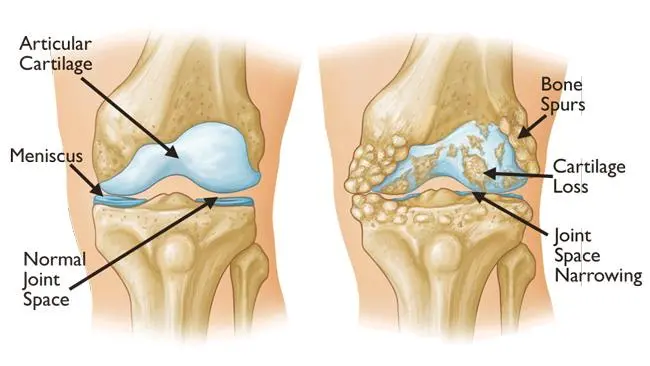
A joint is where two bones come together. The ends of these bones are covered by a protective tissue called cartilage. With OA, this cartilage breaks down, causing the bones within the joint to rub together. This leads to pain, stiffness, and other symptoms.
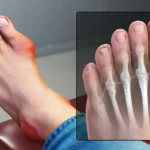
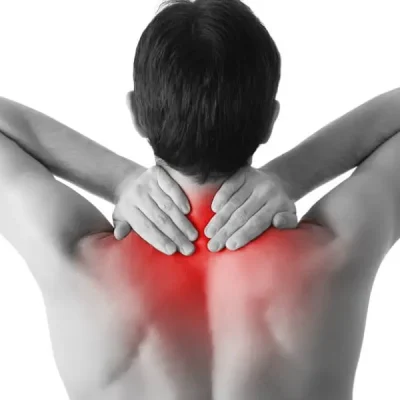
OA can occur in any joint. However, the most commonly affected areas include:
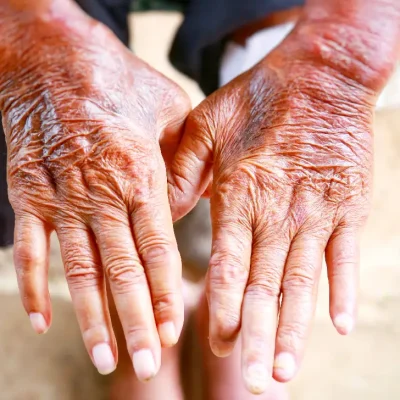
- Hands
- Fingers
- Shoulders
- Spine (especially the neck and lower back)
- Hips
- Knees
OA occurs mostly in older adults, although it can affect people of any age. It is a leading cause of disability.
According to the Centers for Disease Control and Prevention (CDC), OA affects more than 32.5 million adults in the United States.
Osteoarthritis Symptoms
The most common symptoms of OA include:
- Joint pain
- Stiffness
- Inflammation
- Bone spurs (extra bone growth, usually painless)
- Tenderness when pressing on affected areas
- Crepitus (grating, cracking, clicking, or popping sounds when moving joints)
What Causes Osteoarthritis?
OA is caused by joint damage that builds up over time. This is why age is one of the main risk factors—the older you are, the more wear and tear your joints have experienced.
Other causes of joint damage include:
- Past injuries (such as torn cartilage, dislocated joints, or ligament damage)
- Joint misalignment or malfunction
- Obesity (which increases pressure on joints)
Having OA in one joint can also increase the risk of developing it in other parts of the body.
Treatment for Osteoarthritis
There is no cure for OA, so treatment focuses on managing symptoms and improving quality of life.
In many cases, a combination of the following is effective:
- Over-the-counter (OTC) medications
- Lifestyle changes
- Home remedies
OA is typically a progressive condition with stages ranging from 0 to 4:
- Stage 0: Normal joint
- Stage 4: Severe osteoarthritis
However, not everyone progresses to the later stages. The condition often stabilizes before reaching severe levels.
Medications
Several types of medications can help relieve OA symptoms:
- Oral pain relievers to reduce discomfort
- Nonsteroidal anti-inflammatory drugs (NSAIDs), such as ibuprofen
- Corticosteroids (e.g., cortisone injections)
Lifestyle Tips for Managing OA
Simple daily habits can significantly improve symptoms and overall well-being:
- Engage in low-impact exercises like walking or swimming (about 30 minutes daily)
- Stretch regularly to maintain flexibility
- Get adequate sleep to reduce inflammation
- Maintain a healthy weight to reduce pressure on joints
- Avoid prolonged inactivity
Osteoarthritis Prevention
While some risk factors—such as age and genetics—cannot be changed, others can be managed.
To reduce your risk:
- Maintain a healthy weight
- Stay physically active
- Protect your joints from injury
- Practice good posture and body mechanics
Outlook and Summary
Osteoarthritis is a chronic condition with no cure, but the outlook is positive with proper management.
Do not ignore persistent joint pain or stiffness. The sooner you consult a rheumatologist, the sooner you can:
- Receive an accurate diagnosis
- Begin appropriate treatment
- Improve your quality of life