What Is Raynaud’s Phenomenon?
Do your fingers or toes suddenly become cold, pale, and numb when exposed to cold temperatures?
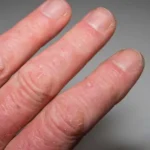
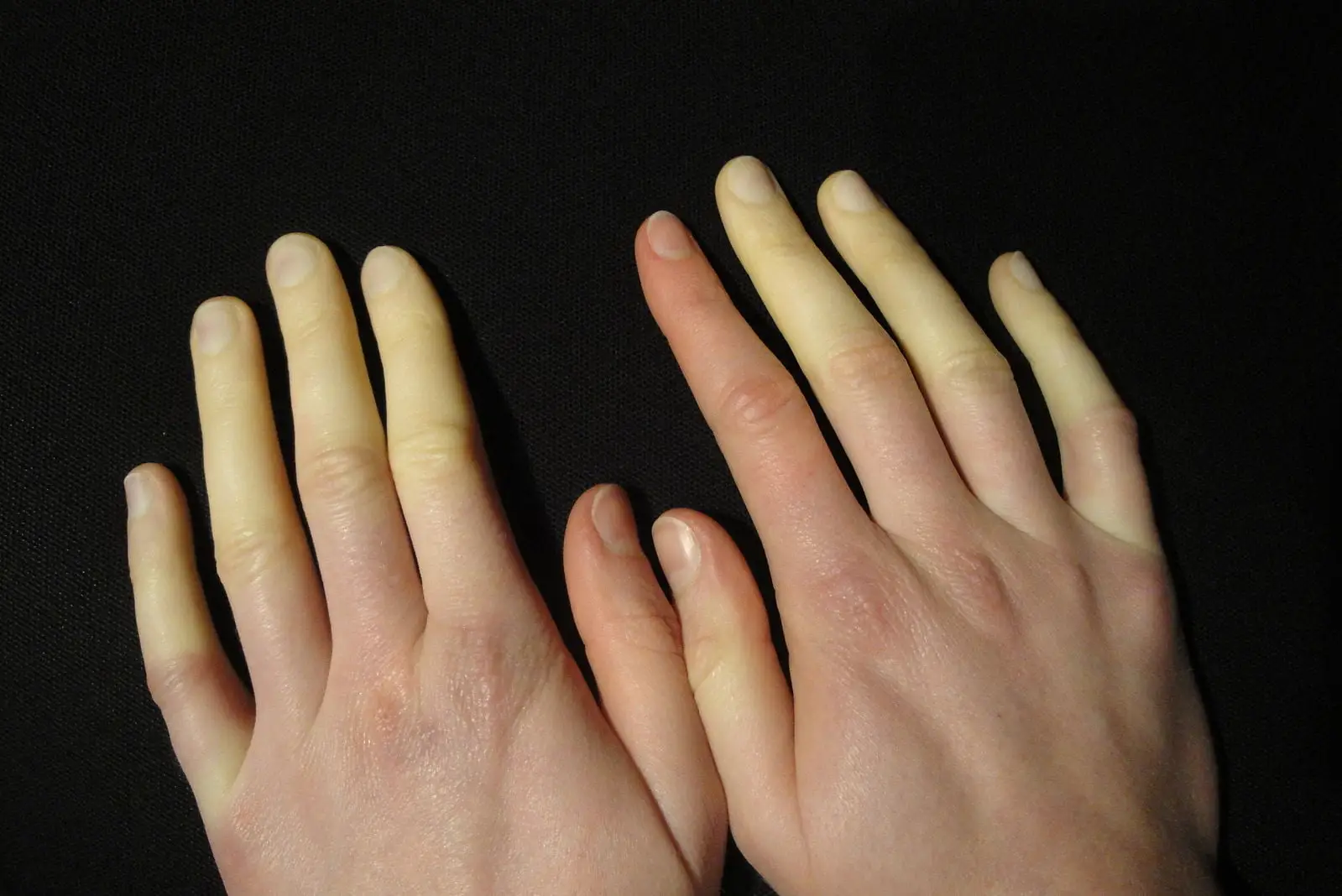
You may be experiencing Raynaud’s phenomenon, a condition that causes temporary “attacks” where blood flow to certain areas—usually the fingers and toes—is reduced.
During an attack:
- Affected areas may turn white or blue
- They feel cold and numb
- As blood flow returns, they may tingle, throb, or hurt
In most cases, Raynaud’s is not serious. While there is no cure, symptoms can be effectively managed through lifestyle adjustments and medical treatment when necessary.
What Causes Raynaud’s Phenomenon?
The exact cause of Raynaud’s is not fully understood. However, it is known to occur when blood vessels overreact and spasm in response to:
- Cold temperatures
- Emotional stress
- Anxiety
These spasms temporarily restrict blood flow to the affected areas.
Types of Raynaud’s Phenomenon
Primary Raynaud’s (Raynaud’s Disease)
This is the most common and less severe form.
- Occurs without an underlying medical condition
- Typically develops between ages 15 and 30
- Symptoms are usually mild
- May improve over time without treatment
Primary Raynaud’s is not linked to other diseases, and most people do not develop complications.
Secondary Raynaud’s (Raynaud’s Syndrome)
This form is more serious and occurs due to an underlying condition.
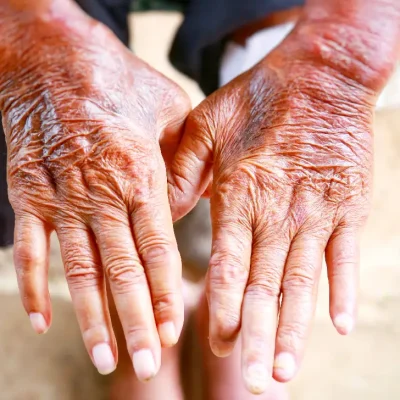
It is often associated with autoimmune diseases such as Scleroderma.
Possible Causes:
- Diseases affecting blood vessels or connective tissue
- Medications that narrow blood vessels or affect blood pressure
- Nerve damage in hands or feet
- Repetitive motion injuries (e.g., use of vibrating tools like jackhammers)
Secondary Raynaud’s typically develops after age 40 and may lead to more severe complications.
Raynaud’s Symptoms
A Raynaud’s “attack” can affect:
- Fingers and toes (most common)
- Nose
- Ears
- Lips
- Nipples
Common Symptoms:
- Cold, numb, or painful fingers and toes
- Skin turning white, pale, or bluish
- Tingling, throbbing, or burning when blood flow returns
- Swelling after an attack
Attacks can last from a few seconds to several hours and may begin in one finger or toe before spreading.
Who Is at Risk?
- Women (more commonly affected)
- People living in colder climates
- Individuals over 30 (for secondary Raynaud’s)
- Workers exposed to repetitive vibration (e.g., machinery operators)
How Is Raynaud’s Phenomenon Diagnosed?
A rheumatologist will typically:
- Review your medical history and symptoms
- Examine your hands and feet
- Conduct cold stimulation tests (e.g., placing hands in cold water)
- Use microscopy to examine small blood vessels
- Order blood tests to distinguish between primary and secondary Raynaud’s
Raynaud’s Treatment Options
Treatment depends on the severity and type of Raynaud’s.
Lifestyle & Home Management
Managing triggers is the first line of defense:
- Dress warmly (gloves, socks, hats)
- Warm your car before driving in cold weather
- Avoid sudden exposure to cold (e.g., use gloves when handling frozen items)
- Use hand and foot warmers
- Manage stress through relaxation techniques
During an Attack:
- Rub hands and feet
- Wiggle fingers and toes
- Place hands under warm areas (like underarms)
- Practice deep breathing to reduce stress
Medications
If symptoms interfere with daily life, your doctor may prescribe:
- Calcium channel blockers
- ACE inhibitors
- Alpha blockers
- Prescription topical creams
These medications help improve blood flow and reduce the frequency of attacks.
Surgical Options (Rare Cases)
In severe cases, procedures such as nerve-blocking injections or surgery may be considered to improve blood circulation and prevent tissue damage.
Complications of Raynaud’s Phenomenon
Most cases are mild, but severe secondary Raynaud’s can lead to:
- Skin sores or ulcers
- Tissue damage
- Increased risk of infection
Summary
Raynaud’s phenomenon is a condition that affects blood flow to extremities, causing cold, numb, and discolored fingers or toes.
While it can be uncomfortable, most cases are manageable with lifestyle changes and proper care. Early diagnosis is important, especially for identifying secondary Raynaud’s linked to underlying conditions.
⚠️ Medical Disclaimer
This content is for informational purposes only and does not substitute professional medical advice. Always consult a qualified healthcare provider or rheumatologist for proper diagnosis and treatment.